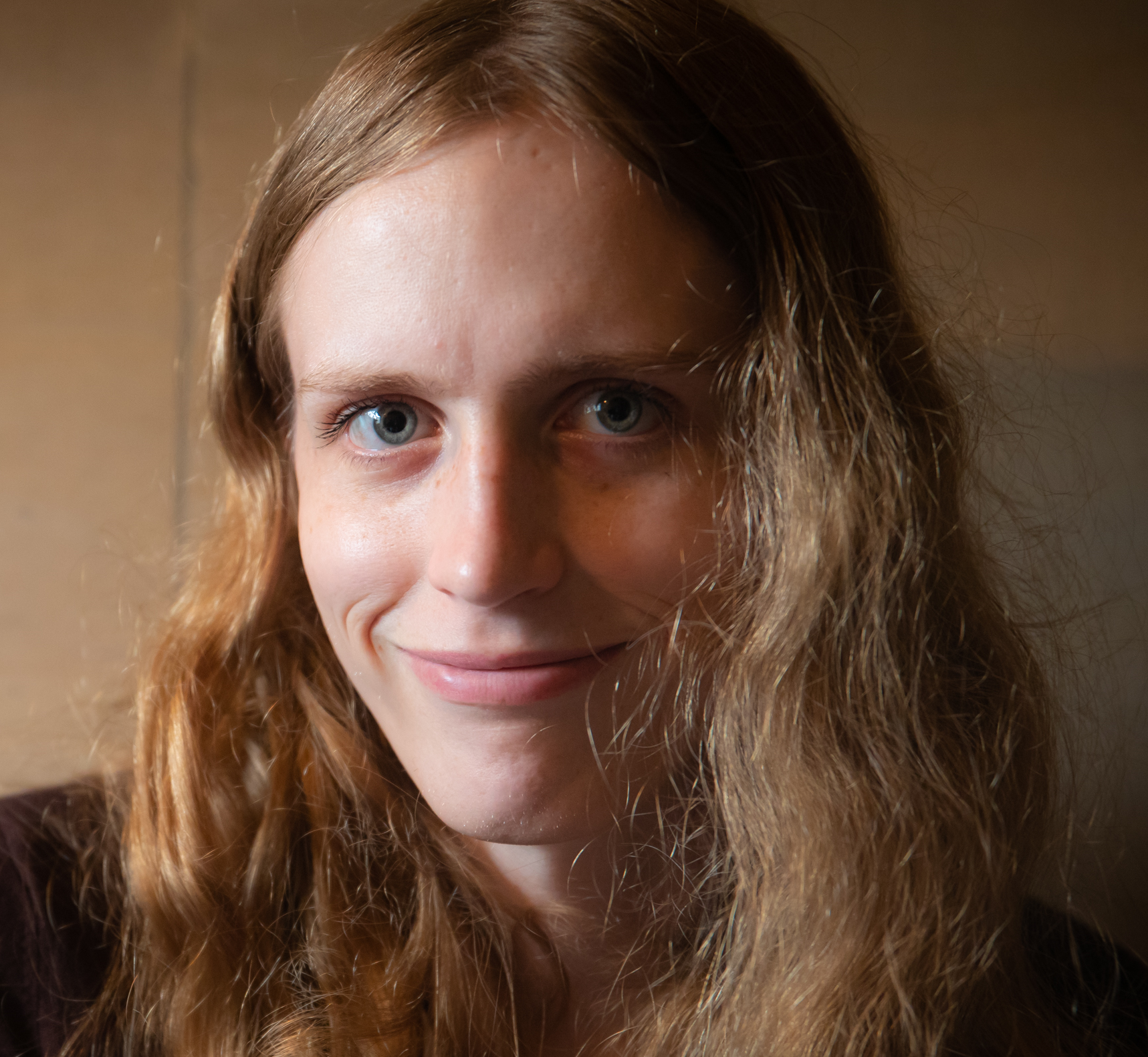
About Me
Hello! I’m Eliza Diggins, a theoretical astrophysicist and Ph.D. student at the University of California, Berkeley. I work in the Transients, Extragalactic group (TREX), where I study the most extreme explosions in the universe. This includes supernovae, gamma ray bursts (GRBs), tidal disruption events (TDEs), and other transient phenomena. My research focuses bridging theory and observation to model and understand these transients, their host environments, and their emission mechanisms.
Before joining the department at Berkeley, I was based at the University of Utah, where I earned my undergraduate degrees in Physics and Mathematics and held dual research roles in both the Department of Physics and Astronomy as a Parmley Fellow, and in the School of Dentistry as a Wilkes Climate Scholar.
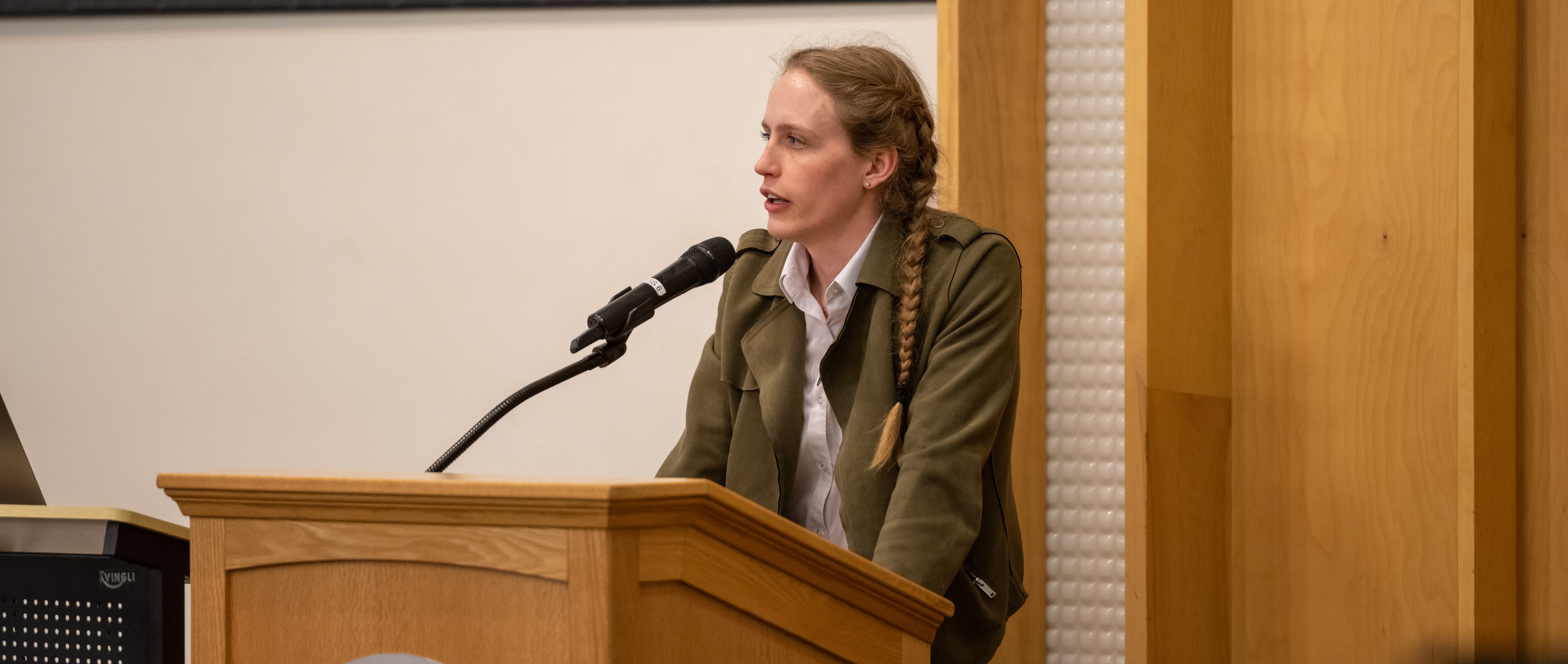
Beyond my research, I am very passionate about physics education, science communication, and advocacy for LGBTQIA+ and neurodiverse communities in STEM. I give frequent public talks on various topics in astrophysics, often as part of the Astronomy on Tap series. I am also an avid outdoors enthusiast, and enjoy hiking, climbing, and whitewater rafting in my free time.
My Research at a Glance
One of the most exciting aspects of astrophysics is its reliance on a broad spectrum of fundamental physics—from quantum mechanics and plasma physics to fluid dynamics and general relativity. My research spans multiple scales and systems, using astrophysics as a lens to understand the laws that govern the universe and, in turn, using those laws to deepen our understanding of the systems we observe. I work across theory, computation, and data analysis—developing numerical tools, running large-scale simulations, and applying analytical methods to study phenomena such as supernovae, gamma ray bursts, and tidal disruption events. My work is highly interdisciplinary, drawing on concepts from plasma physics, fluid dynamics, and high-energy astrophysics to model the complex processes that drive these cosmic explosions.
Topics I’m Currently Interested In:
- The nature of luminous fast blue optical transients (LFBOTs) and their progenitors.
- Methods for improving the study of transients in the radio band, particularly synchrotron modeling beyond the standard equipartition assumption.
- The role of binary interactions in shaping the circumstellar environments of massive stars and their subsequent explosive deaths.
- The use of machine learning and data-driven approaches to classify and analyze transient events in large-scale surveys.
- The source of FRB dispersion measures and their use in cosmological inference.
Advocacy and Outreach:
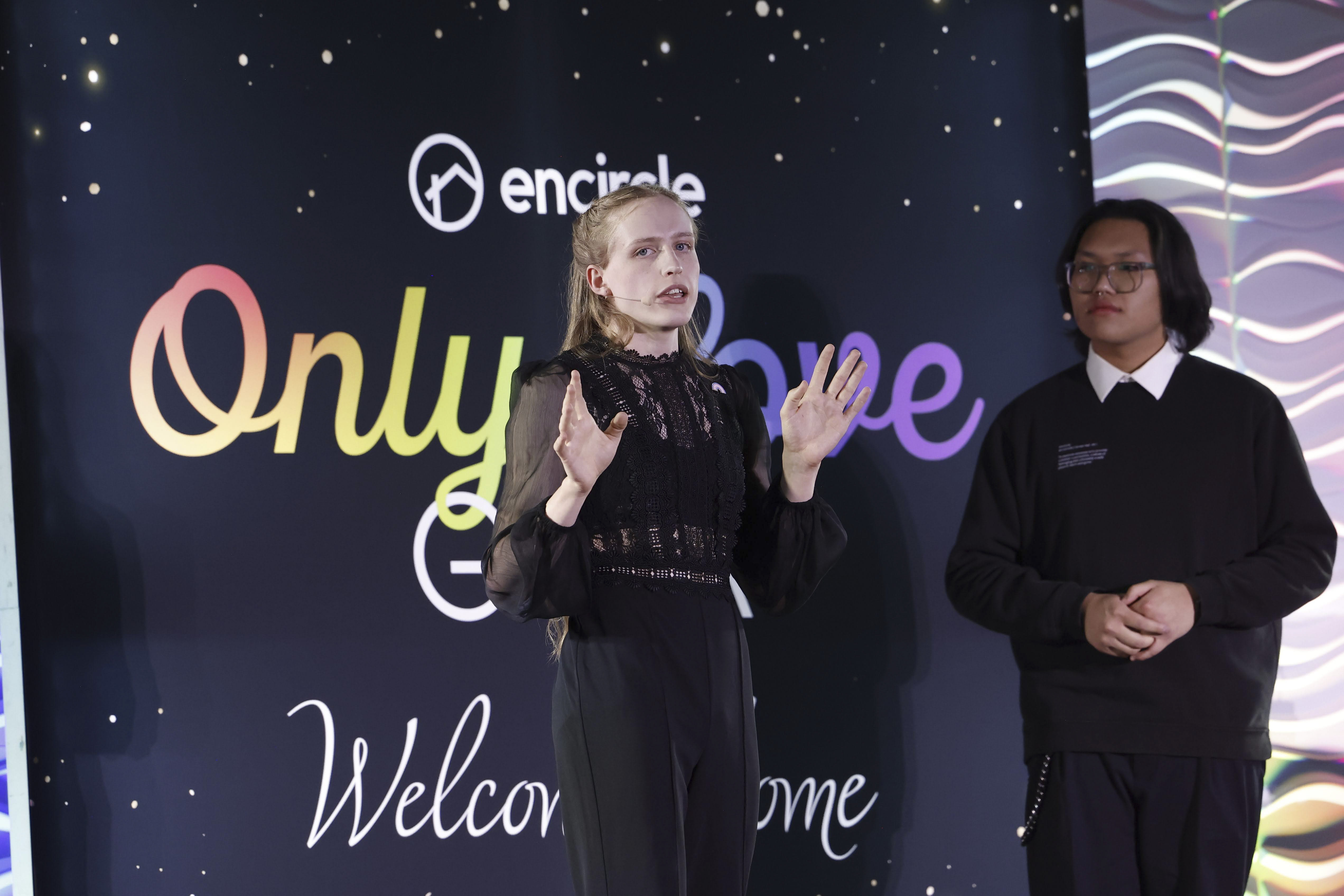
Beyond academia, I am deeply committed to building a more inclusive, empathetic, and engaged scientific community. My advocacy work is shaped by both lived experience and a belief that science should be a tool for liberation, not exclusion. I focus on:
- Inclusive Pedagogy: Designing physics curricula that center diverse learners, minimize gatekeeping, and support active learning environments where everyone belongs.
- Science Communication: Translating complex scientific ideas—cosmic structure, machine learning, and beyond—into accessible formats through public talks, writing, and hands-on outreach programs.
- Community Work & Organizing: Actively participating in initiatives that uplift LGBTQIA+, trans, and neurodiverse communities. My work has included:
- Organizing events like Transgender Day of Visibility that center joy and communal care.
- Facilitating peer support spaces in both academic and nonprofit settings.
- Speaking and storytelling in support of queer youth mental health and access to care.