Social Work and Activism
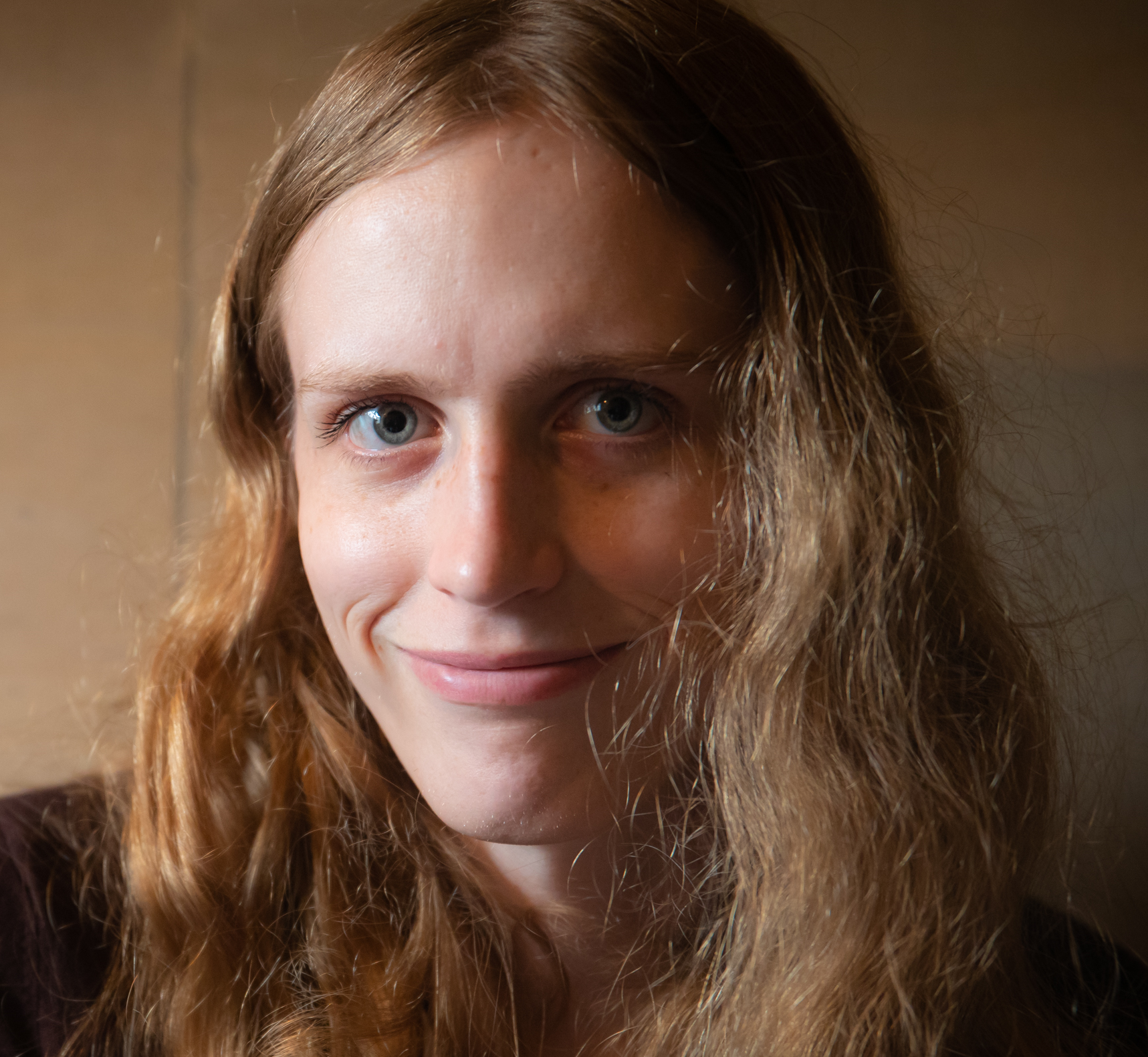
As a transgender and autistic woman in science, I know firsthand the bitter sting of exclusion both within academia and beyond it. Very few people like me are ever given a chance to enter my field, even fewer will overcome the incredible challenges necessary to succeed in it. I have been incredibly fortunate to have had the opportunity to become a scientist, and were it not for my community and the support it provided, I would never have persisted to where I am today.
My work as a scientist is often an opportunity to escape the complexities and challenges of life beyond my work, and for that opportunity I am constantly grateful. Nonetheless, having relied on community support to accomplish the things that I have, I feel a sense of duty and obligation to give back to my community. As a scientist, I am determined to hold open the doors which were opened for me, not to let them slam shut behind me. In doing so, I hope to help others like me to thrive in my field.
My Approach to Advocacy
As an academic, I am always eager to drive change within my environment, but I recognize that this alone is not enough. True progress requires addressing challenges at their roots, especially for communities like transgender and neurodivergent individuals, who often face barriers long before reaching academia. For many, the struggle begins far earlier, with systemic issues that prevent access to higher education altogether. This is why I believe that meaningful change must extend beyond the academic sphere—into politics, society, and the very foundations of our communities. Scientists have a unique opportunity to apply their skills beyond research, using their expertise to organize, support, and advocate for those in need. By engaging directly with communities, we can contribute to saving lives, fostering resilience, and driving the kind of holistic change that truly makes a difference.

What I'm Doing Now
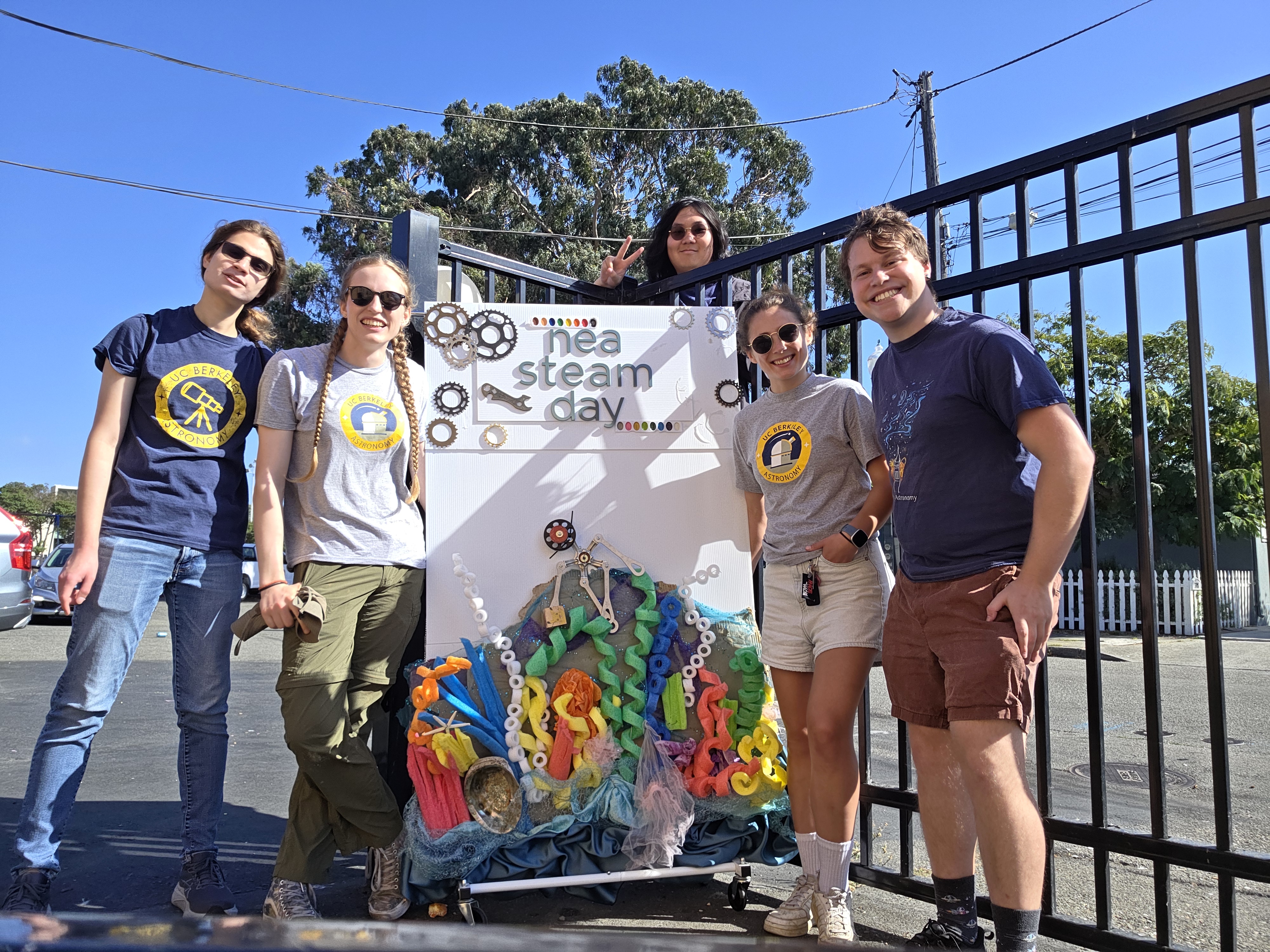
The outreach committee is responsible for sharing the excitement of astronomy with the public. As a member, I helped organize and run a variety of events for the Bay Area community.
- Major Events: Helped coordinate the department's presence at its largest annual public events, including Cal Day on campus and the Bay Area Science Festival.
- Logistics and Volunteers: Assisted with the logistics for these events, which involved communicating with organizers and gathering volunteers from the department to help run our activities.
- Community Talks: Facilitated smaller outreach events throughout the year, such as public talks at local libraries, department visits for schools, and presentations to local astronomy clubs.
- Supporting Others: Aided other department members by helping them advertise and organize their own outreach ideas and events, fostering a department-wide culture of public engagement.
Past Involvement
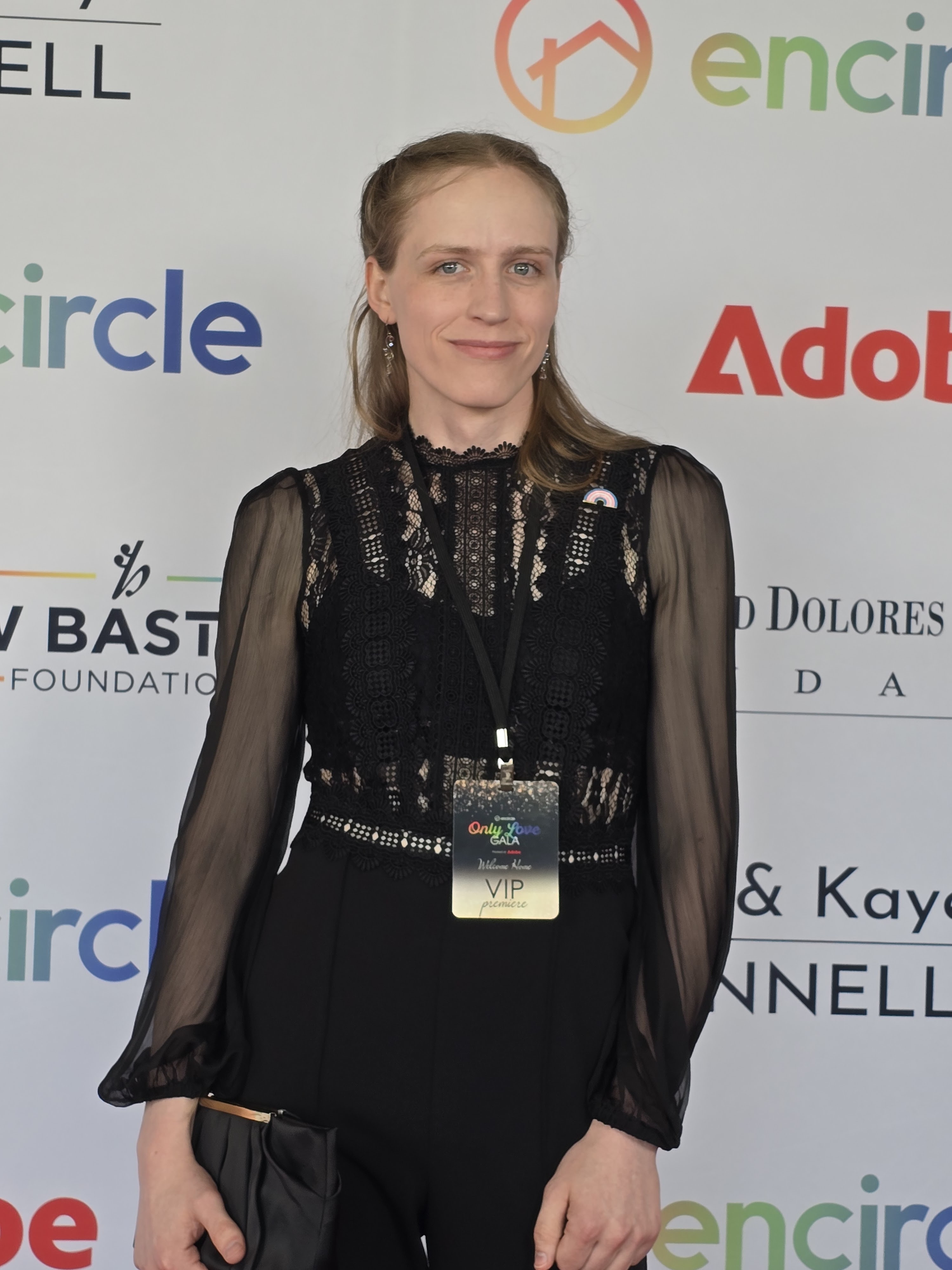
For the past several years, I have been deeply involved at Encircle, an LGBTQ+ community resource center for youth and young adults.
- Program Coordinator: Responsible for day-to-day logistics and operations for the Salt Lake City home.
- Program Development Intern: Producing specialized programming and social support resources for transgender and neurodivergent individuals.
- Peer-Support Group Facilitator: Facilitating Encircle's peer-support group for transgender adults, meeting Fridays at 6:30 PM.
- Community Support: Connecting guests to resources in the community and helping them receive the support they need to succeed.
In the spring of 2024, we initiated the Student Lecture Series (SLS) in the Dept. of Physics and Astronomy at the University of Utah.
- Goal: Provide early career pedagogical opportunities to students.
- Fostering an inclusive pedagogical community within the department.
Following the loss of the University of Utah's LGBTQ+ Resource Center, I have stepped in as a staff advisor for the newly formed LGBTQ+ community/social club on campus.
- Filling the gap in services left by the resource center.
- Striving to create a supportive and inclusive environment for LGBTQ+ students.
How Can I Help?
One of the most impactful ways you can support marginalized communities is by dedicating your time and energy. Non-profit and community organizations are always in need of passionate volunteers who are willing to get involved, learn about the issues, and take meaningful action. Whether you’re on a college campus or part of a local community, there are countless opportunities to make a difference. Start by exploring local organizations, or look for campus-based groups that align with your interests and values. Volunteering not only helps those in need but also fosters personal growth and understanding.
Advocacy within your professional field can create a ripple effect, fostering more inclusive and supportive environments for marginalized individuals. As a transgender student, the most impactful support I received from instructors often came from simply being acknowledged and supported in my identity. Many marginalized students face a range of challenges that hinder their ability to feel safe and engaged in academic settings. As an instructor or colleague, you can take steps to create a more inclusive space by recognizing these challenges, offering support, and being proactive in your advocacy.
Financial support can be a lifeline for many non-profits and community organizations, particularly those serving marginalized communities. Unfortunately, state and federal funding often falls short, leaving these vital organizations dependent on the generosity of donors. Your financial contributions, no matter the size, can make a significant difference in sustaining their operations and expanding their reach. By donating, you’re not just providing funds; you’re actively investing in the well-being and future of communities in need.
Are you leading a lab or research group? As a faculty member or researcher, one of the most transformative actions you can take is to actively foster diversity within your academic and professional environment. Supporting diversity goes beyond meeting quotas—it involves creating an inclusive culture where individuals from all backgrounds feel valued, respected, and empowered to contribute their unique perspectives.
Start by examining your own implicit biases and how they may influence hiring, mentoring, and collaboration practices. Ensure that your recruitment processes are equitable and actively seek out talented individuals from underrepresented groups. Promote a culture of inclusion by providing mentorship opportunities and creating a supportive environment where everyone has the resources they need to succeed.
Additionally, consider how your research topics, methods, and collaborations can contribute to or hinder diversity. Engage in research that addresses the needs of marginalized communities or that incorporates diverse perspectives. Encourage open dialogue in your team about the importance of diversity and the challenges faced by underrepresented groups in research.
By committing to diversity in your research, you not only enrich the scientific process but also contribute to building a more equitable and innovative research community. Your efforts can inspire others in your field and help pave the way for a more inclusive future in academia and beyond.